
Applying for Social Security Disability (SSD) benefits can feel discouraging when your condition doesn’t neatly match the official listing of
Apr 14, 2026

Social Security Disability Posted on Feb 25, 2026
If you’re applying for Social Security Disability Insurance (SSDI) or Supplemental Security Income (SSI) and having trouble getting proper medical documentation to support your claim, you’re not alone. Perhaps your doctor won’t fill out the form or write a letter. Maybe they say they don’t do disability paperwork. Having a doctor who won’t support your disability claim is very frustrating, but surprisingly common.

Here’s the part most people aren’t told up front: The Social Security Administration (SSA) isn’t just looking for a diagnosis. The SSA is deciding whether your condition limits your ability to function and work, using specific evidence standards. And many doctors either (1) don’t have time, (2) don’t want to get pulled into legal issues, or (3) simply don’t understand what the SSA needs.
The good news: you still have options—many options. You can build a strong claim even when a doctor is unhelpful, and an experienced Social Security Disability (SSD) attorney can often bridge the gap.
In this blog, we explain why many doctors refuse to support Social Security disability claims, what applicants can do when their doctor won’t help, and how we can strengthen your claim or appeal a denial.
The SSA must have medical evidence to establish a medically determinable impairment, and that evidence generally needs to come from an “acceptable medical source” and include “objective medical evidence.”
The SSA (through the state Disability Determination Services, or DDS) usually tries to get evidence from your treating medical sources first. If the evidence is missing or not enough to decide your case, DDS can schedule a consultative examination (CE) to get what’s needed.
So, when your doctor won’t cooperate, it can create a “gap” in the file—especially around your functional limitations (what you can still do, what you can’t do, and what happens when you try).
Even if your doctor won’t fill out an RFC form or write a letter, their treatment notes, lab results, imaging, and specialist reports still matter. SSA’s process is built around developing the medical file, starting with your own providers.
Practical move: request complete copies of:
A lot of doctors shut down when they hear: “Can you say I’m disabled?”
Try shifting the ask to something they’re more comfortable with:
The SSA is focused on evidence and function, and your provider’s clinical observations can help meet those evidence requirements.
Some offices won’t complete claimant-provided forms, but they will respond to official requests.
SSA also notes it can pay a reasonable amount for reports of existing medical evidence it requests from medical providers (through DDS).
Practical move: make sure DDS has the correct provider names/addresses and follow up to confirm records were sent.
If the SSA can’t get enough information from your medical sources, SSA may purchase a consultative exam at its expense. And the SSA generally won’t order a CE until it has made “every reasonable effort” to obtain evidence from your own medical sources.
What this means for you: a non-cooperative doctor doesn’t automatically sink your claim—the SSA has mechanisms to fill gaps when evidence is insufficient
If your doctor barely documents symptoms, never records exam findings, or refuses to address functional limits at all, it may be worth finding a provider who will:
This is one of the biggest behind-the-scenes advantages of having experienced representation: we know what the SSA looks for and how to build the evidence in that language, without asking a doctor to “declare you disabled.”
An attorney can help by:
Call 866-930-6435 for a free consultation with our Florida SSD attorneys
If your claim was denied because the SSA said there wasn’t enough medical support—or because your doctor wouldn’t fill out forms or explain your limitations—that’s exactly the kind of problem we handle every day.
At Hoskins, Turco, Lloyd & Lloyd, our Social Security Disability attorneys can step in to:
If you’re dealing with an unhelpful doctor, you don’t have to fight that battle alone.
Call 866-930-6435 to schedule your free consultation today.

Applying for Social Security Disability (SSD) benefits can feel discouraging when your condition doesn’t neatly match the official listing of
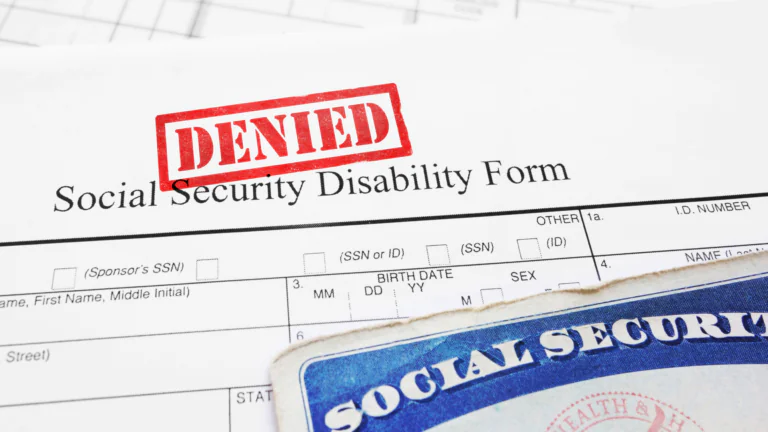
Applying for Social Security Disability benefits is rarely easy. For many people, it comes after months—or even years—of dealing with

Struggling with a condition that no one can see but makes working impossible can feel overwhelming. This blog is here
Phone: (772) 344-7770
Fax: (772) 344-3838
Phone: (772) 464-4600
Fax: (772) 465-4747
Phone: (772) 577-7551
Fax: (772) 794-7773

Phone: (863) 357-5800
Fax: (863) 763-2237
As the law firm Florida has trusted for over 40 years to fight on their behalf, we are more than ready to represent you. Put our experience and reputation to work. If you need help with any legal matter, whether it’s a personal injury, workers’ compensation, disability or bankruptcy case, contact us now. The consultation is absolutely free.
Get the answers you need. We’ll review your case today, for free.
"*" indicates required fields
 Port St. Lucie