
If you receive Social Security Disability benefits, you may have heard about changes to how the Social Security Administration (SSA)
May 29, 2026

Social Security Disability Posted on Apr 14, 2026

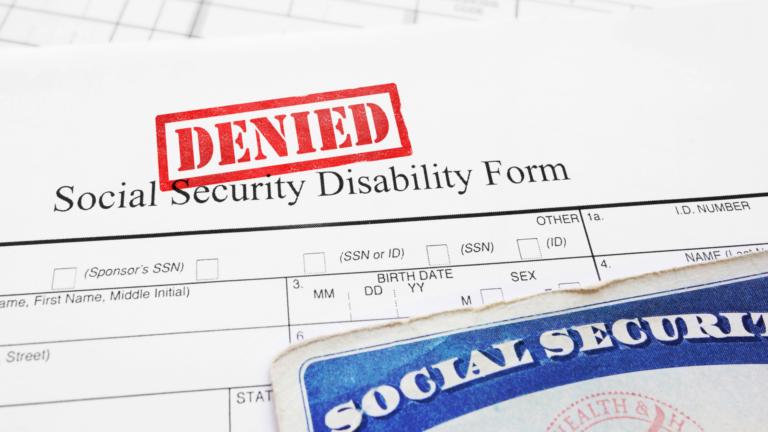
Applying for Social Security Disability (SSD) benefits can feel discouraging when your condition doesn’t neatly match the official listing of the Social Security Administration (SSA). The SSA maintains a strict list of qualifying impairments, often referred to as the “Blue Book.” But what happens when your condition isn’t listed? Or when your symptoms don’t quite meet the exact criteria?
This is where many applicants fall into a frustrating gray area: you’re clearly struggling, but your condition is deemed “not severe enough” or simply doesn’t match a listed impairment. The good news is that you may still qualify by proving what’s known as a functional disability.
Not every disabling condition is neatly captured in the SSA’s listings. In fact, many legitimate and serious impairments fall outside these categories, including:
If your diagnosis doesn’t appear in the Blue Book—or doesn’t perfectly match the criteria—you’re not alone. Many applicants face this challenge.
The SSA’s listings are not exhaustive, and they aren’t always up to date with the latest medical understanding. There are several reasons your condition might not be included:
Because of these limitations, the SSA relies on another method of evaluation when a listing doesn’t apply: assessing your Residual Functional Capacity (RFC).
Residual Functional Capacity (RFC) is the SSA’s way of measuring what you can still do despite your medical condition. Instead of focusing only on your diagnosis, the RFC evaluates your ability to perform work-related activities on a consistent basis. This assessment helps determine whether you can return to past work or adjust to other types of employment, making it a critical factor in disability claims when a condition doesn’t meet a listed impairment.
If your condition isn’t listed, your claim will be evaluated based on how your symptoms impact your ability to work. This is where proving a functional disability becomes critical.
Here’s how that works:
The SSA is less concerned with what your condition is called and more focused on what it prevents you from doing. Can you sit, stand, lift, concentrate, or interact with others consistently? Medical records should clearly outline these limitations.
Consistent treatment records, specialist evaluations, and detailed physician notes are essential. Statements from your doctors that explain how your condition affects your daily functioning can be especially powerful.
The RFC evaluates your ability to perform work-related activities. This includes physical abilities (like walking or lifting) and mental capacities (like focus or memory). A well-supported RFC can make or break your case.
The SSA looks for long-term impairment. Showing that your limitations persist despite treatment strengthens your claim.
Your own account and those from family members or caregivers can help paint a clearer picture of your daily struggles.
We can help. Call 866-930-6435 for a free consultation with our Florida SSD attorneys
If your application was denied because your condition doesn’t appear in the SSA listings, it doesn’t mean you don’t qualify. It often means your case needs to be presented more effectively.
At Hoskins, Turco, Lloyd & Lloyd, our Social Security Disability attorneys understand how frustrating and confusing this process can be, especially when you know you’re unable to work, but the system doesn’t seem to recognize it.
Our experienced Florida Social Security Disability attorneys can:
We focus on telling the full story of your condition—not just the diagnosis, but the real-life impact it has on your ability to work and live.
If you believe you qualify for benefits despite not fitting neatly into an SSA listing, don’t give up. Reach out to our team today to discuss your case and explore your options.
Call 866-930-6435 to schedule your free consultation today.

If you receive Social Security Disability benefits, you may have heard about changes to how the Social Security Administration (SSA)

At Hoskins, Turco, Lloyd & Lloyd, our disability attorneys have been closely tracking recent updates from the Social Security Administration
Applying for Social Security Disability benefits is rarely easy. For many people, it comes after months—or even years—of dealing with
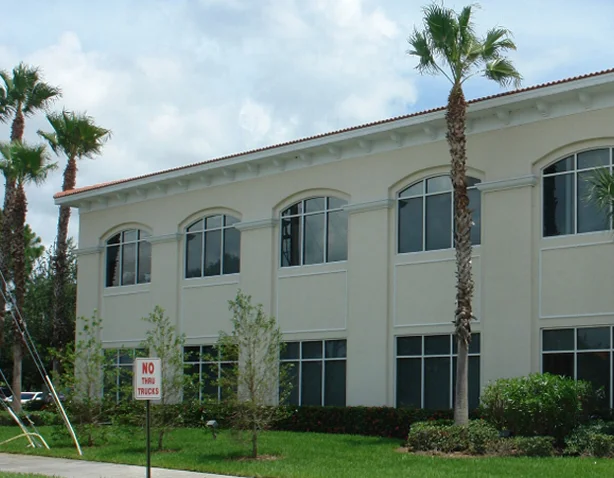
Phone: (772) 344-7770
Fax: (772) 344-3838
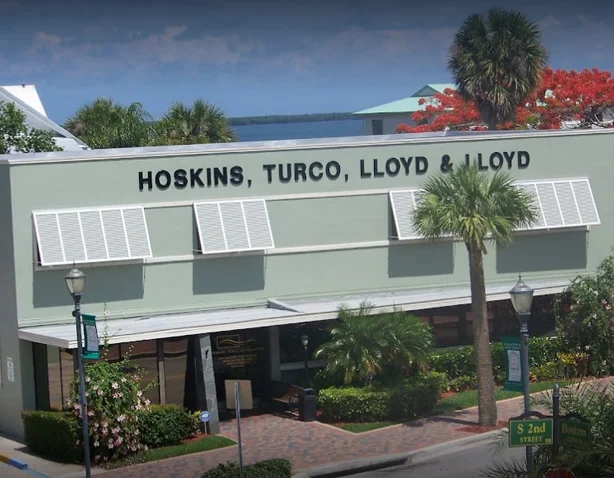
Phone: (772) 464-4600
Fax: (772) 465-4747
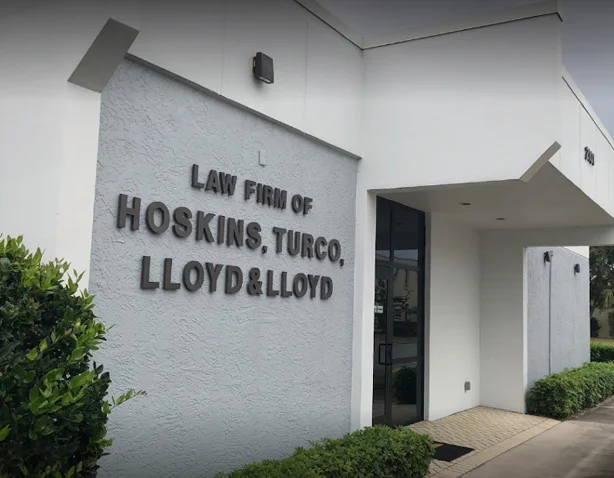
Phone: (772) 577-7551
Fax: (772) 794-7773
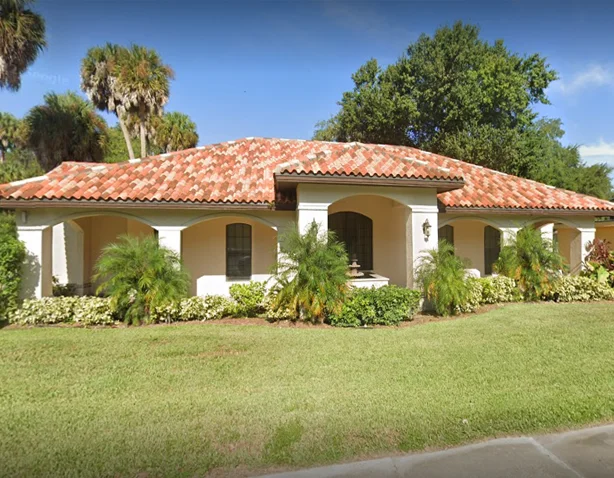
Phone: (863) 357-5800
Fax: (863) 763-2237
As the law firm Florida has trusted for over 40 years to fight on their behalf, we are more than ready to represent you. Put our experience and reputation to work. If you need help with any legal matter, whether it’s a personal injury, workers’ compensation, disability or bankruptcy case, contact us now. The consultation is absolutely free.
Get the answers you need. We’ll review your case today, for free.
"*" indicates required fields
 Port St. Lucie