
At Hoskins, Turco, Lloyd & Lloyd, our disability attorneys have been closely tracking recent updates from the Social Security Administration
Apr 29, 2026

Social Security Disability Posted on Jan 13, 2026

Struggling with a condition that no one can see but makes working impossible can feel overwhelming. This blog is here to help you understand your rights and options. Learn how Social Security Disability (SSD) handles invisible illnesses and how you can strengthen your claim for the benefits you deserve.
If you’re living with chronic pain, migraines, autoimmune disorders, long COVID, depression, anxiety, or another condition that affects your ability to work, you’ve probably heard some version of:
“But you don’t look sick.”
Invisible illnesses can be isolating. You may be struggling every day just to function—yet feel judged by coworkers, friends, or even family because your condition isn’t outwardly obvious. And when you’re no longer able to keep working, applying for Social Security Disability (SSD) can feel overwhelming. Many people fear they won’t be believed or that their condition won’t be taken seriously simply because it can’t be easily measured on a scan or seen by others.
At Hoskins, Turco, Lloyd & Lloyd, we want you to know this: your symptoms are real, your struggle is valid, and help is available. SSD benefits are specifically designed to protect people with both visible and invisible disabilities. And with the right evidence and guidance, you can qualify.
The Social Security Administration (SSA) doesn’t approve disability claims based on a diagnosis alone—especially for conditions that don’t show up clearly on imaging or lab tests. Instead, they look at how your symptoms limit your ability to work.
Here’s how SSA approaches invisible illnesses:
SSA wants to understand:
So even if you “look fine,” SSA can still approve your claim based on how your condition impacts your daily functioning.
SSA acknowledges chronic pain disorders—especially fibromyalgia—but they require:
These conditions often flare up unpredictably. SSA evaluates:
Because migraines don’t appear on imaging, SSA looks for:
One of the newest—and most misunderstood—disabilities. SSA considers:
Conditions like depression, PTSD, and anxiety disorders are evaluated based on:
Since these conditions can’t always be “seen” on tests, documentation is everything. Here’s what helps:
Gaps in treatment can hurt your claim—even if they’re due to lack of insurance. If this applies to you, we can help explain this to SSA. However, the SSA wants to see:
SSA relies heavily on physician notes, not just test results. Your medical records should describe:
Keeping a log of flare-ups, migraines, fatigue episodes, or mental health struggles can be persuasive evidence.
They can help show SSA how your condition affects real-world activities.
Don’t downplay your symptoms, but don’t exaggerate them either. Accurate, consistent reporting is crucial.
Unfortunately, many initial SSD claims involving chronic pain, migraines, long COVID, or mental health conditions are denied because:
A denial does not mean you’re not disabled, and it doesn’t mean your case is over.
Call 866-930-6435 for a free consultation with our Florida SSD attorneys
At Hoskins, Turco, Lloyd & Lloyd, we’ve helped thousands of Florida residents win disability benefits, even after an initial denial.
We understand invisible illnesses. We know what evidence SSA needs. And we know how to present your case so that your symptoms and struggles are taken seriously. If your claim was denied, or if you’re overwhelmed by the process, you don’t have to navigate this alone.
Our disability team is here to fight for the benefits you deserve.
Call 866-930-6435 to schedule your free consultation today.

At Hoskins, Turco, Lloyd & Lloyd, our disability attorneys have been closely tracking recent updates from the Social Security Administration

Applying for Social Security Disability (SSD) benefits can feel discouraging when your condition doesn’t neatly match the official listing of
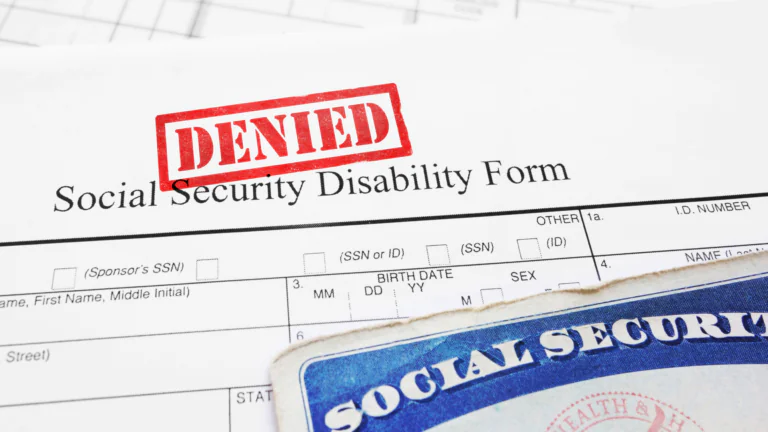
Applying for Social Security Disability benefits is rarely easy. For many people, it comes after months—or even years—of dealing with
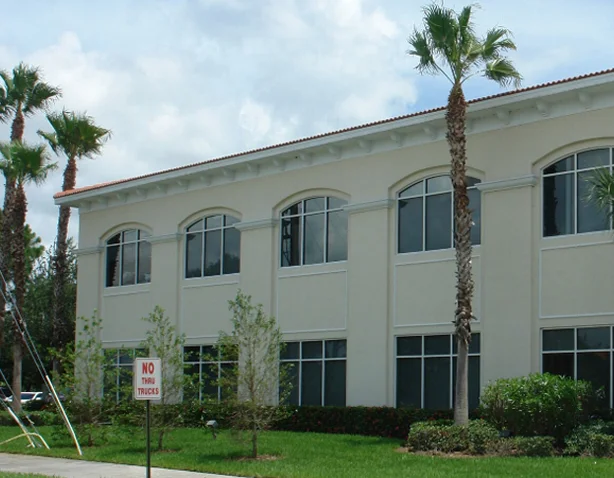
Phone: (772) 344-7770
Fax: (772) 344-3838
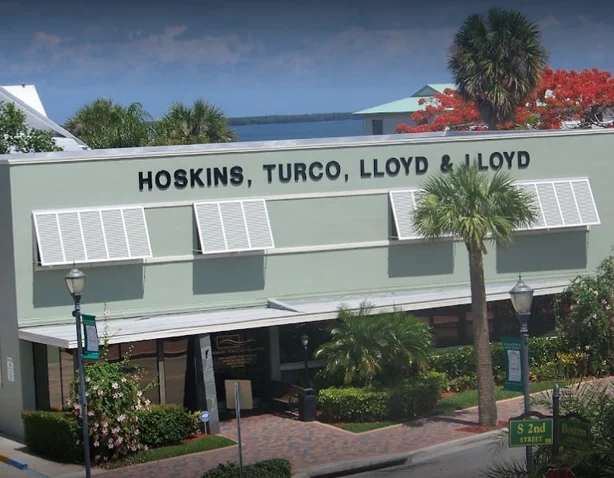
Phone: (772) 464-4600
Fax: (772) 465-4747
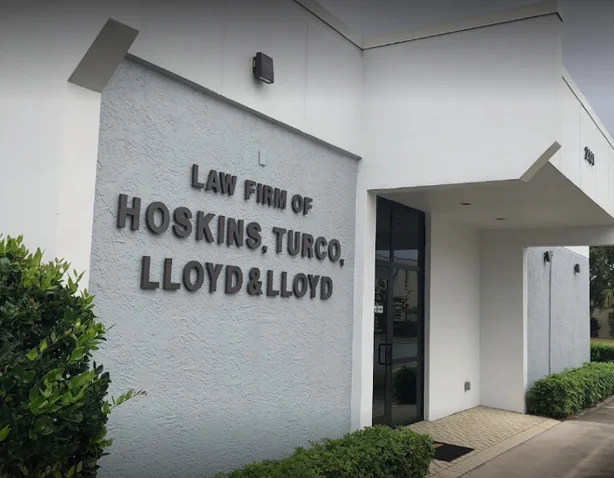
Phone: (772) 577-7551
Fax: (772) 794-7773

Phone: (863) 357-5800
Fax: (863) 763-2237
As the law firm Florida has trusted for over 40 years to fight on their behalf, we are more than ready to represent you. Put our experience and reputation to work. If you need help with any legal matter, whether it’s a personal injury, workers’ compensation, disability or bankruptcy case, contact us now. The consultation is absolutely free.
Get the answers you need. We’ll review your case today, for free.
"*" indicates required fields
 Port St. Lucie