
Have you recently been injured at work and wondered: “Do I really need a lawyer for this?” It’s a common
Sep 03, 2025

Workers' Compensation Posted on Feb 05, 2026
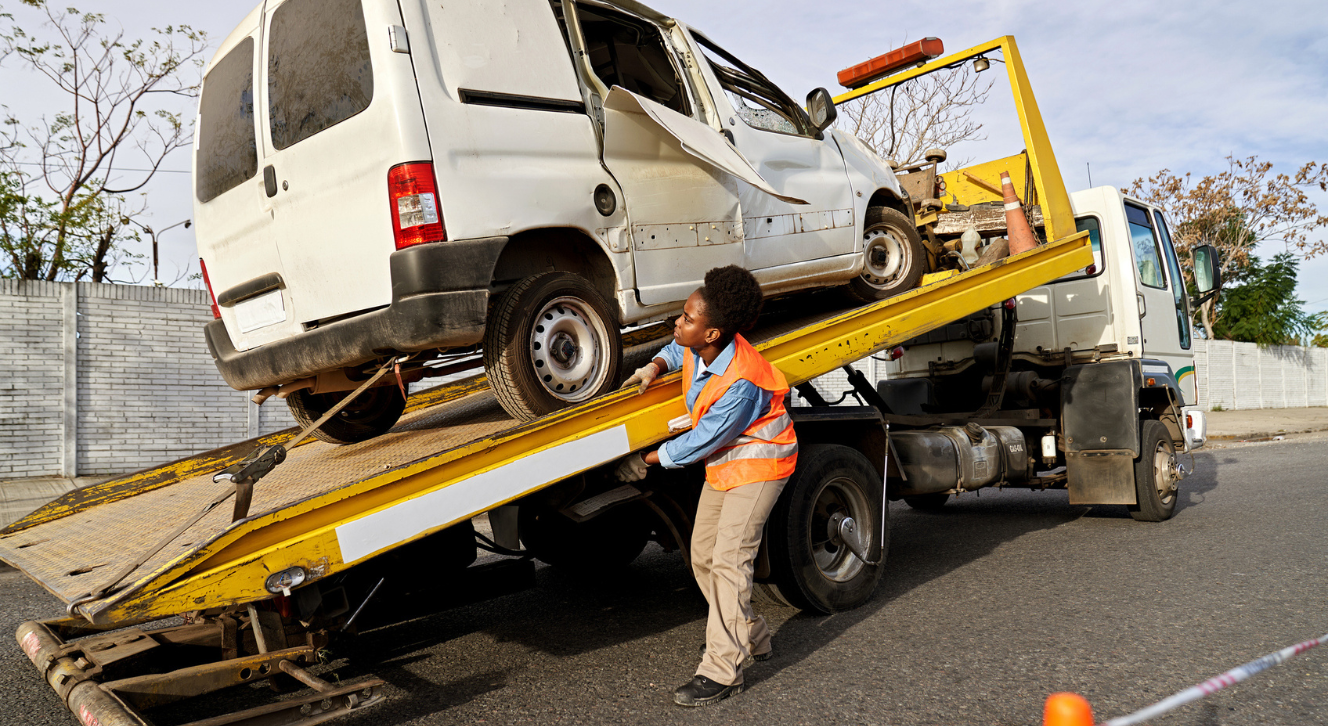
Car accidents don’t just happen during commutes or personal errands. Many workers are injured in auto accidents while driving for their job, attending meetings, making deliveries, or traveling between job sites. When that happens, a common question arises: can you file a workers’ compensation claim for a car accident that happened during work hours?
In many cases, the answer is yes. This guide explains how workers’ compensation applies to car accidents that occur while working, what exceptions exist, and what injured employees should know about their rights.
Workers’ compensation generally covers injuries that arise out of and occur during the course of employment. In the context of a workers’ compensation car accident while working, this often includes situations such as:
If the driving activity directly benefited your employer, workers’ compensation coverage may apply.
The key factor in determining eligibility is whether the accident occurred within the course and scope of employment. This means:
If both conditions are met, a workers’ compensation claim may be valid — even if the accident involved another driver.
In most states, including Florida and many others, workers’ compensation does not cover injuries that occur during a normal commute to or from work. This is known as the coming and going rule.
However, there are important exceptions. Workers’ compensation may still apply if:
These exceptions often make the difference in whether a claim is approved or denied.
Workers’ compensation is a no-fault system, meaning you may still qualify for benefits even if another driver caused the crash. However, this also creates another legal option.
In addition to a workers’ compensation claim, you may be able to file a third-party personal injury claim against the at-fault driver. This can allow you to seek compensation for damages not covered by workers’ comp, such as:
Workers’ compensation and third-party claims can sometimes proceed at the same time.
If your claim is approved, workers’ compensation benefits may include:
Unlike personal injury claims, workers’ compensation does not require you to prove negligence — only that the injury was work-related.
Car accidents that occur during work hours often result in serious injuries, including:
These injuries can impact an employee’s ability to return to work, either temporarily or permanently.
If you are involved in a car accident during work hours, it’s important to act quickly:
Early documentation is critical in workers’ compensation cases involving auto accidents.
Insurance carriers frequently dispute workers’ compensation car accident while working claims by arguing that:
Because of this, these cases often require strong evidence and legal analysis.
If you were injured in a car accident while working, you may be eligible to file a workers’ compensation claim as long as the accident occurred in the course and scope of your employment. Eligibility depends on what you were doing at the time of the crash and whether the activity was work-related.
If you were injured in a car accident while working, understanding whether you qualify for workers’ compensation — and whether a third-party claim may also apply — can be complicated. The experienced attorneys at Hoskins, Turco, Lloyd & Lloyd help injured workers navigate these complex cases, protect their rights, and pursue the full benefits and compensation available under the law.
Contact Hoskins, Turco, Lloyd & Lloyd today by calling 866-930-6435 to discuss your situation and learn how they can help you move forward with confidence.

Have you recently been injured at work and wondered: “Do I really need a lawyer for this?” It’s a common

Work-related deaths and injuries on the Treasure Coast hit record-high. Here’s what you need to know. We’ve been warned about

Stay-at-home orders and remote working have become a new reality for many Treasure Coast residents. An unexpected issue this raises
Phone: (772) 344-7770
Fax: (772) 344-3838
Phone: (772) 464-4600
Fax: (772) 465-4747
Phone: (772) 577-7551
Fax: (772) 794-7773

Phone: (863) 357-5800
Fax: (863) 763-2237
As the law firm Florida has trusted for over 40 years to fight on their behalf, we are more than ready to represent you. Put our experience and reputation to work. If you need help with any legal matter, whether it’s a personal injury, workers’ compensation, disability or bankruptcy case, contact us now. The consultation is absolutely free.
Get the answers you need. We’ll review your case today, for free.
"*" indicates required fields
 Port St. Lucie