
When people think about bankruptcy, they often imagine someone who spent too much, borrowed irresponsibly, or simply mismanaged money. But
Mar 31, 2026

Bankruptcy Posted on Jun 10, 2018
 In 2017, Vera Thomas, 62, filed for bankruptcy relief. At the time, Vera was chronically ill and had been unemployed for two years. A Dallas resident, Vera had no income, subsisted on food stamps and was facing eviction. The bankruptcy court wiped out her credit card debt, medical bills and auto loan—but not her student loans.
The federal government, as it frequently does, fought Vera’s discharge by arguing her situation wasn’t hopeless enough to warrant erasing her $7,800 student loan debt.
Sadly, Vera is not alone. Thousands of Americans in dire financial straights are being chained to debt they cannot afford. Until 1990, student loans could be discharged in bankruptcy court after the fifth year of repayment. Since then, Congress has repeatedly made erasing education debt more difficult.
Debtors must prove that paying the loans poses an “undue hardship” –a term Congress has never defined and which many courts interpret in the narrowest possible terms. The government and the Educational Credit Management Corp., the private entity the Education Department often hire to fight bankruptcy cases, typically argue that borrowers should sign up for income-based repayment plans that stretch up to 25 years. They push these plans as an alternative to bankruptcy discharge even when borrowers’ incomes are so low, their payments would be zero.
People who max out their credit cards can erase that debt in bankruptcy. So, too, can those who don’t have health insurance and then get slammed with medical bills. While most people with student loans pay them off in a timely manner, those who can’t afford to do so should not be shackled with their student loan debt for life.
That’s why it is important to hire an experience bankruptcy attorney to make sure this system does not take advantage of you. At Hoskins, Turco, Lloyd & Lloyd, our experienced team of bankruptcy attorneys are dedicated to guiding our clients out of difficult financial situations. Led by Bankruptcy Attorney and Partner Colin Lloyd, our firm’s Bankruptcy Department has helped thousands of clients make a fresh start and get back on their financial feet.
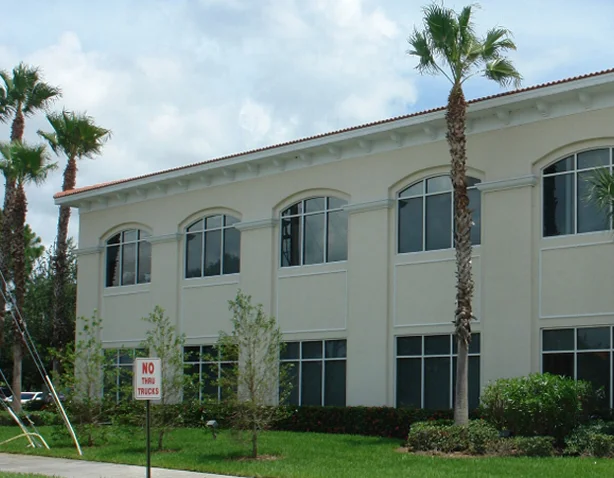
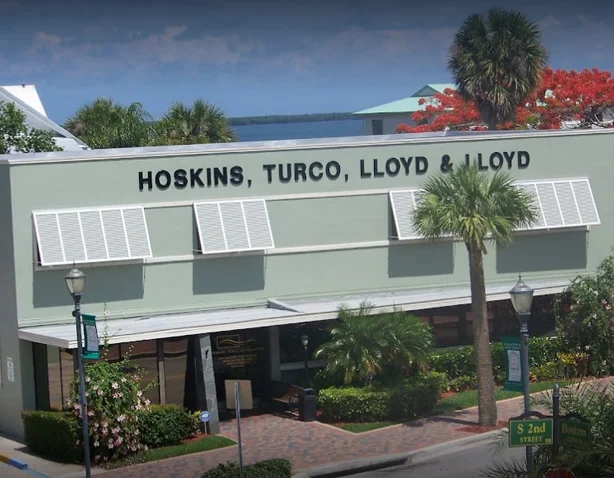
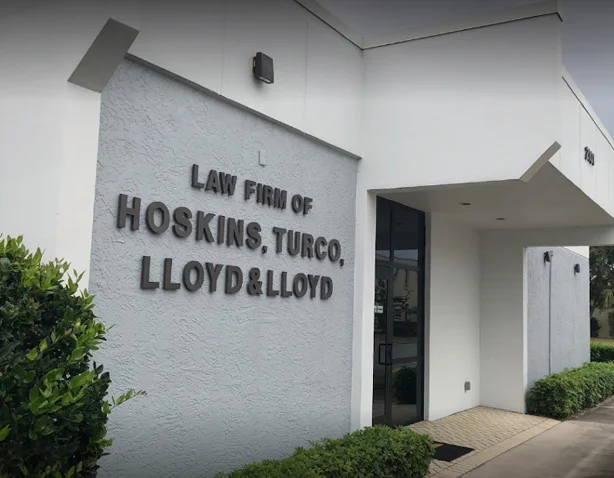
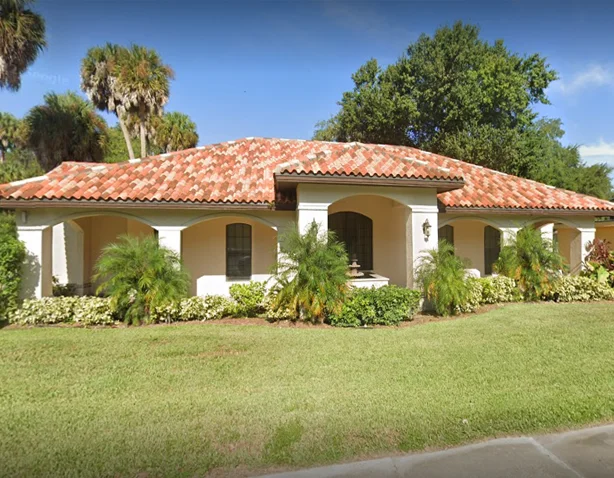
During your complimentary bankruptcy consultation at any of our offices in Port St. Lucie, Vero Beach, Fort Pierce, and Okeechobee, we’ll sit down with you and take the time to discuss the personalized bankruptcy or foreclosure option that best fits your particular scenario.
To set up a FREE Consultation with a Bankruptcy Attorney in Port St. Lucie, Vero Beach, Fort Pierce, or Okeechobee, call us today at 866-460-1990.

When people think about bankruptcy, they often imagine someone who spent too much, borrowed irresponsibly, or simply mismanaged money. But

If you support your children and parents and are feeling overwhelmed by debt, this blog explains how Florida bankruptcy law

If you’re thinking about bankruptcy, the most common fear we hear is: “I don’t want to lose everything.” Here’s the
Phone: (772) 344-7770
Fax: (772) 344-3838
Phone: (772) 464-4600
Fax: (772) 465-4747
Phone: (772) 577-7551
Fax: (772) 794-7773
Phone: (863) 357-5800
Fax: (863) 763-2237
As the law firm Florida has trusted for over 40 years to fight on their behalf, we are more than ready to represent you. Put our experience and reputation to work. If you need help with any legal matter, whether it’s a personal injury, workers’ compensation, disability or bankruptcy case, contact us now. The consultation is absolutely free.
Get the answers you need. We’ll review your case today, for free.
"*" indicates required fields
 Port St. Lucie